Smarter Lines. Safer Floors.
Quality inspection, equipment monitoring, worker safety, and hands-free operation that run directly on factory hardware. Precision that doesn't fade, protection that doesn't sleep.
Industry Challanges
Human attention fades. Eyes get tired after hours on the line. Ears miss warnings in the noise. The tenth inspection isn't as sharp as the first. AI doesn't have these problems—it delivers the same precision at hour eight as hour one, on the night shift the same as the day shift, seven days a week.
For what needs to be seen: vision models that catch defects human eyes miss, monitor fill levels continuously, count inventory automatically, and recognize faces for secure access. For what needs to be heard: noise reduction that makes voices clear over machinery, speech recognition that understands commands in loud environments, instant answers from manuals through natural questions. For what needs to be predicted: time-series models that learn normal equipment behavior and flag anomalies before they become accidents or failures.
The result is operations that are more accurate, more consistent, and safer. Fewer defects reaching customers. Fewer equipment surprises stopping the line. Fewer safety incidents because hazards are spotted before they cause harm. All running locally on industrial hardware, with no data leaving the facility.
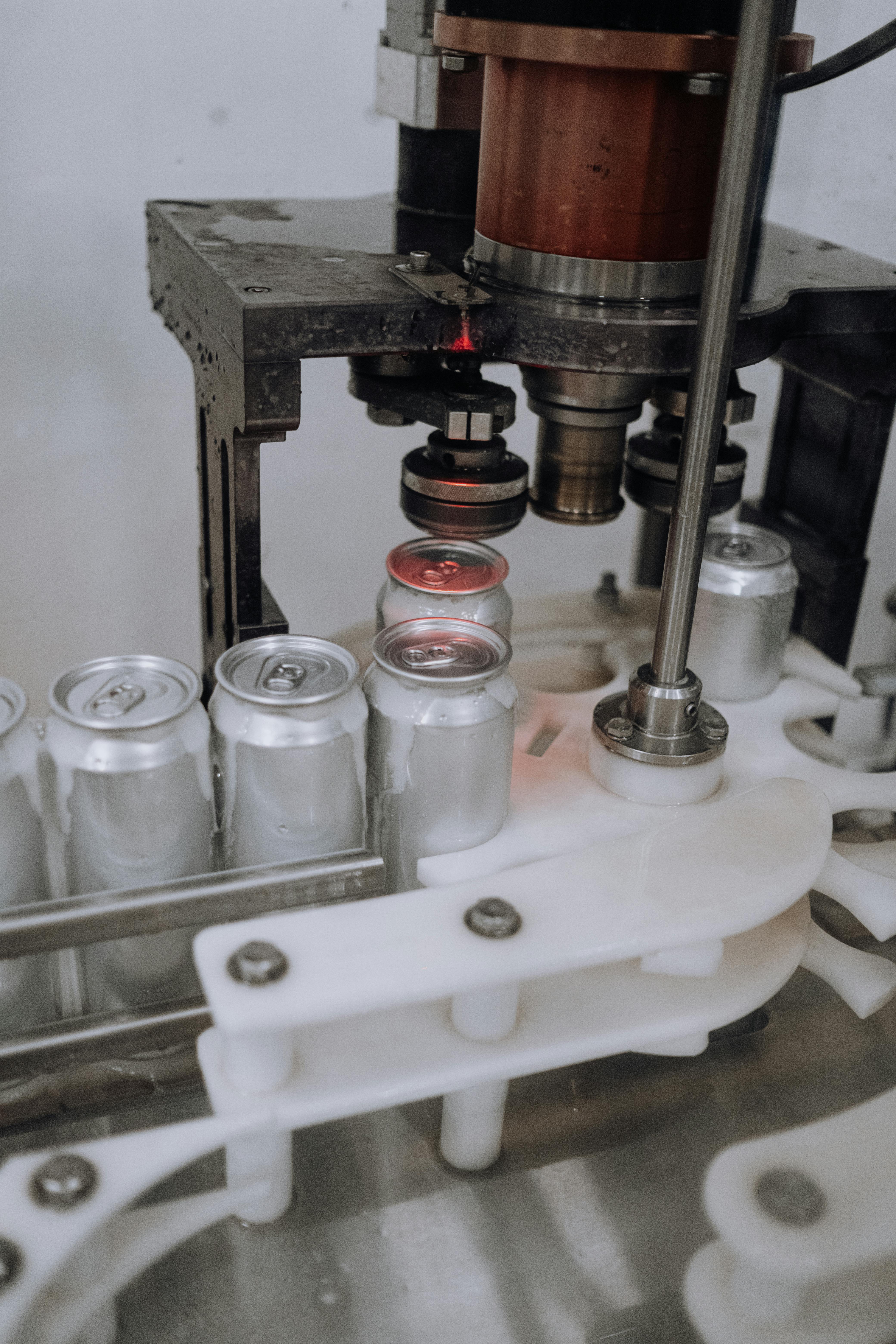
Every unit inspected. Every shift consistent. Problems caught before packaging, not after customer complaints.